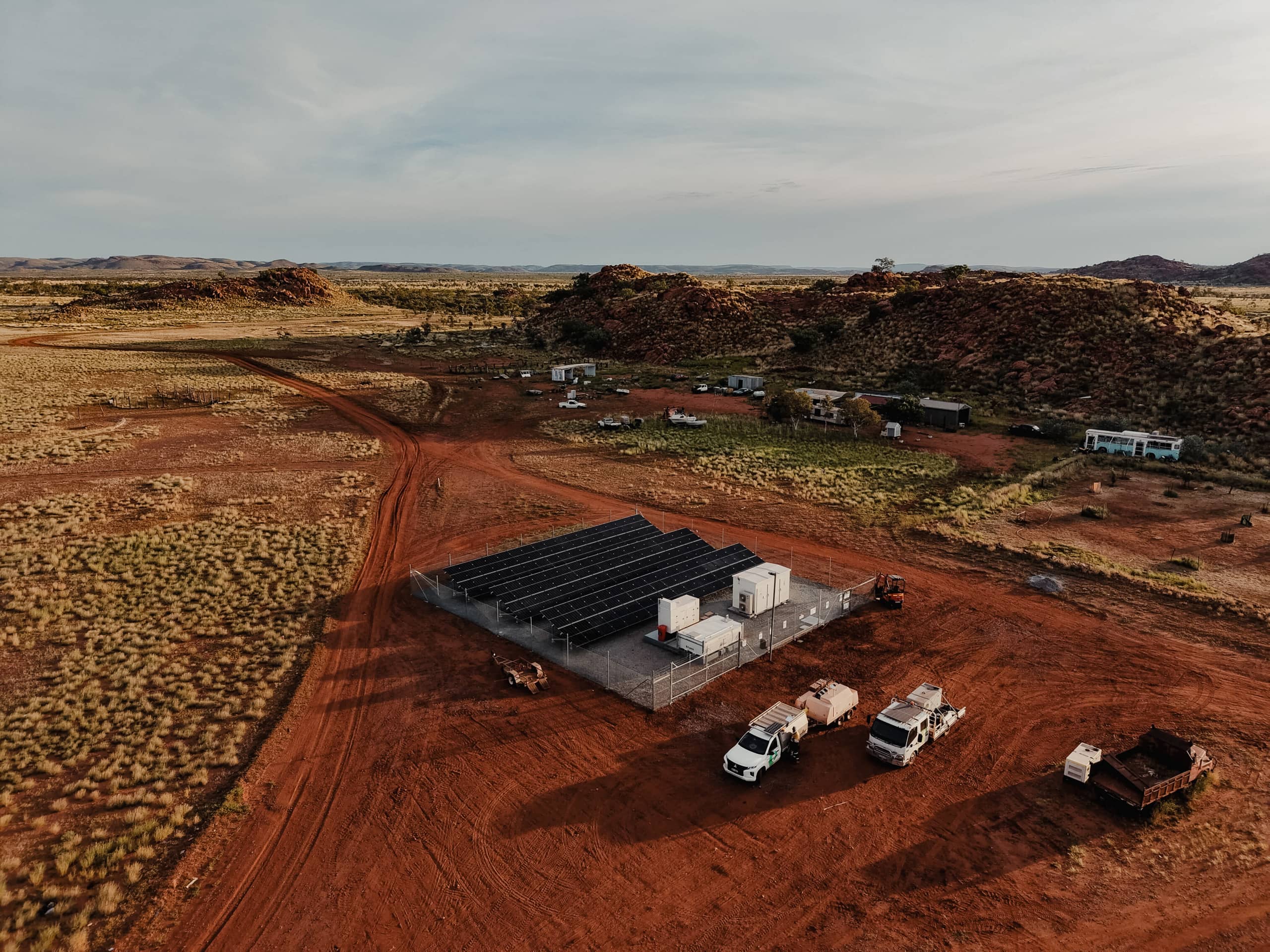
Preparing a remote Aboriginal community to maintain power independently through Cyclone Narelle — delivering critical upgrades, training, and post-flood access restoration.
Project Details
Industry
Remote Community Infrastructure / Energy
Location
Weymul, 30km south of Karratha, Western Australia
Facility
Community power station and supporting infrastructure
Use Cases
Cyclone preparedness, remote power upgrades, community resilience, skills transfer
Project Dates
2025 - 2026
Product Credential
Remote power station upgrade — replacing unreliable diesel infrastructure with fit-for-purpose generation
Project Environment & Overview
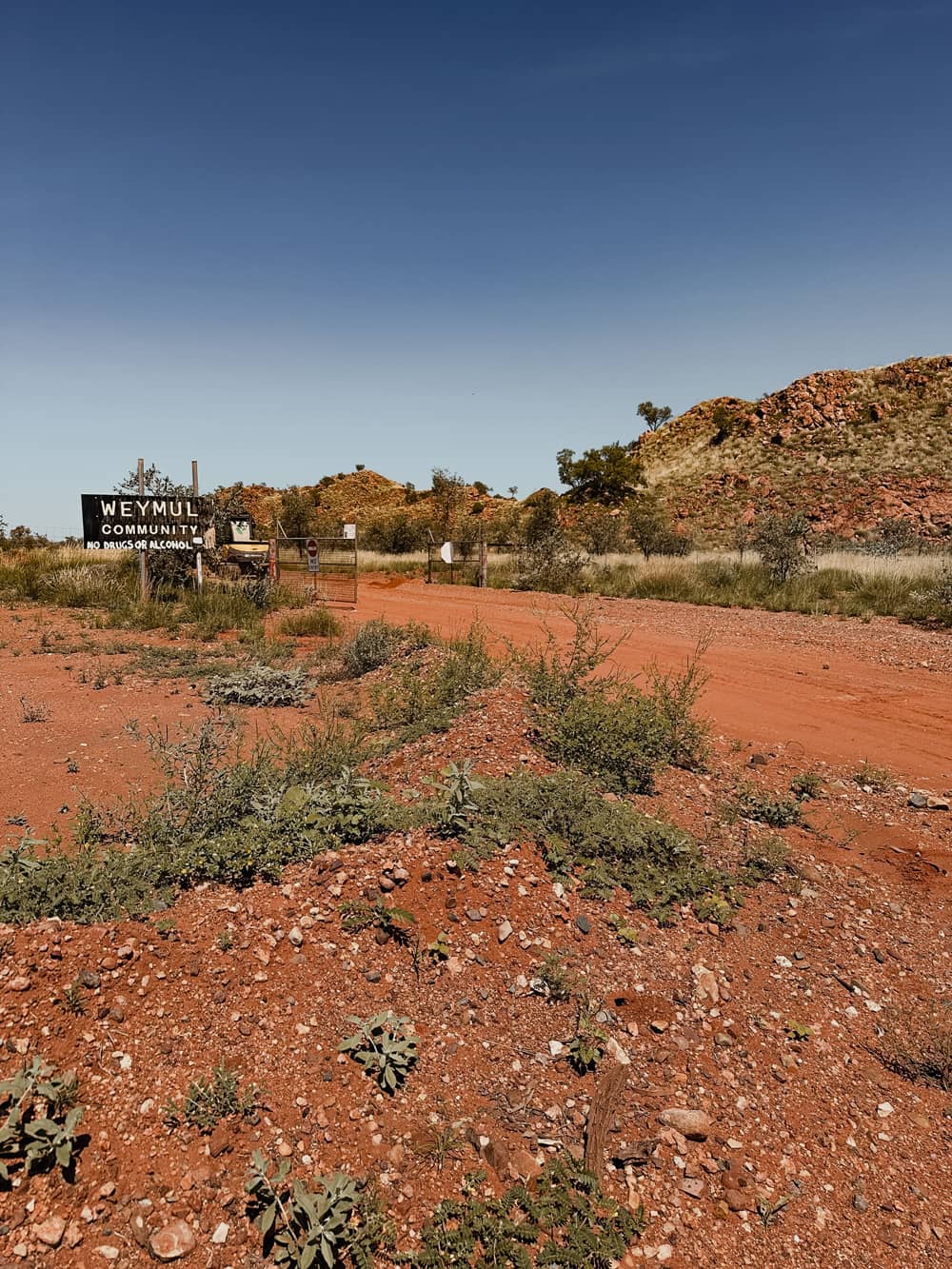
Weymul is a small Aboriginal community 30km south of Karratha, accessible only via a river crossing that becomes impassable in flood conditions. Power underpins everything — water supply, refrigeration, healthcare, and sanitation. When Cyclone Narelle approached in March 2026, Powerhouse was already on-site delivering power system upgrades as part of a broader Pilbara infrastructure program.
Impact Snapshot
100%
Community power maintained through cyclone without external intervention
50-80 Hrs
killed labour committed to community needs per project
0
External call-outs required during community isolation
Full Access
Restored post-flood using on-site excavator
The Challenge
Remote Aboriginal communities in the Pilbara face an energy security challenge that is fundamentally different from urban infrastructure problems.
In communities like Weymul, a small Aboriginal community located 30km south of Karratha, power is the thread that holds together water supply, refrigeration, food security, healthcare, and basic sanitation. When the generator goes down, everything goes down.
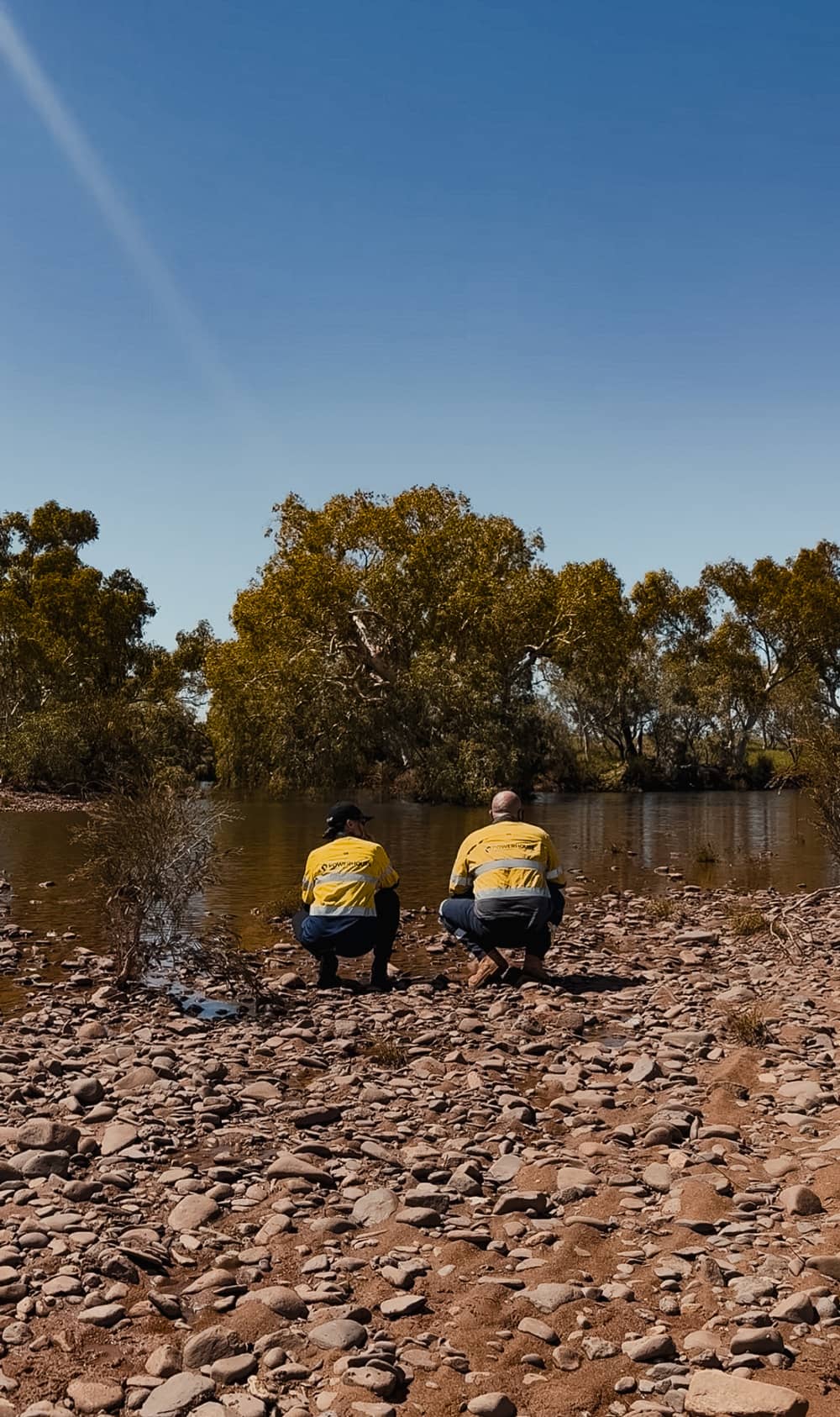
Weymul's existing power infrastructure was already under strain before cyclone Narelle made landfall in March 2026. Ongoing issues with the generator, including recurring fuel pump failures, meant the community was operating with limited resilience even under normal conditions. The community's geographic isolation compounded the risk: a river crossing separates Weymul from the nearest road network, and in flood conditions, that crossing becomes impassable.
Cyclone Narelle did not hit the Weymul community directly, but it brought heavy and sustained rainfall across the region. As the river rose, the vulnerability of Weymul's situation became acute. Getting trades and equipment out to remote communities is already expensive and logistically demanding, and in a cyclone, it is simply not possible. And the consequences of a power failure during or immediately after a major weather event are dangerous, not just inconvenient.
This is the reality that shapes every decision Powerhouse makes when working in remote communities. A broken light switch is usually a minor task. In a remote community with no local electrician, no back up, and no easy way in or out, it becomes a safety issue. The stakes are different, and our work reflects that.
The Solution
Powerhouse was already on-site at Weymul delivering power system upgrades as part of a broader program of infrastructure works across remote Aboriginal communities in the Pilbara. As cyclone Narelle approached, our team didn't stand down and wait.
Before the cyclone arrived, while conditions were still at yellow alert, Powerhouse mobilised to install a temporary fuel pump and took the time to show community members how to operate it themselves. The intention was deliberate: if the community was cut off, they would not be dependent on an external crew to keep the generator running, they could do it themselves.
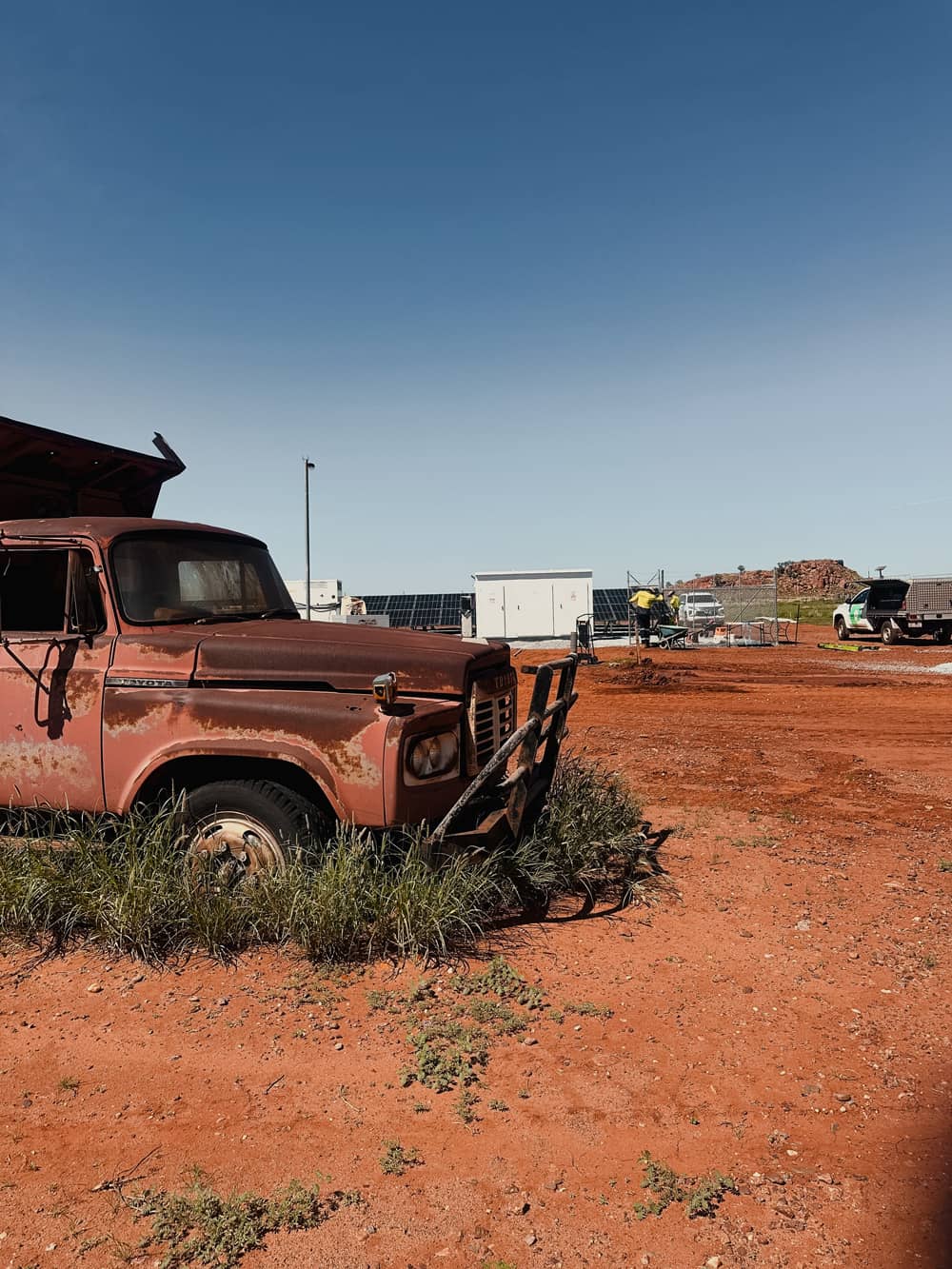
When the cyclone passed and the river crossing became impassable, that preparation proved its worth. The community was fully isolated, with the river too high and too fast to cross safely. Once the water began to subside, a new problem emerged: the floodwaters had deposited significant volumes of sand across the access road, making it challenging to cross. Powerhouse used an excavator already on-site to grade the road, clearing the way for safe access in and out of the community.
This kind of response sits within one of Powerhouse's broader commitments – the Powering Communities Program. This is an initiative embedded into every remote community project we undertake. For each project, the crew commits a full day of skilled labour, typically 50 to 80 hours, to community-identified maintenance and infrastructure needs. Activities are agreed directly with community members, local coordinators, and Elders in the case of Indigenous communities, and range from licensed electrical repairs to building maintenance, clean-up, and informal skills sharing.
Our engagement goes beyond the work itself. Powerhouse conducts place-based inductions before commencing work on Country, maintains ongoing engagement with Traditional Owner groups throughout delivery, and trains all personnel in cross-cultural communication. Underpinning all of this is a genuine understanding of what power means in these communities – that when the lights stay on, so does water supply, refrigeration, healthcare, and food security. Our team doesn't arrive to tick off a job and leave. We show up knowing our work is loadbearing (literally) and the relationships we build are what help communities stand on their own – especially when a cyclone is coming and they need confidence the generator will keep running.
Power Station Upgrade
Cyclone Preparedness
Community Training
Powering Communities Program
The Outcome (Overview)
Temporary fuel pump installed and community trained to operate it prior to cyclone impact.
Community maintained power through the cyclone event without external intervention.
Access road cleared post-flood using on-site excavator, restoring safe ingress and egress.
Power system upgrades delivered as part of broader Pilbara remote community infrastructure program, replacing an unreliable system that could not support basic simultaneous appliance use -- such as running a microwave and kettle at the same time.
Rather than demolishing the original container and old generators, these were retained on-site and made available for the community to repurpose.
Ongoing relationships established with the community.
What Changed
The cyclone response at Weymul illustrates something that is difficult to capture in a project schedule or a compliance report: the difference between delivering infrastructure and genuinely supporting a community.
The temporary fuel pump installation was a small intervention. Training community members to use it was the part that mattered. When the river rose and no one could get in, Weymul could keep the lights on (and the water running, and the food cold) because someone had taken the time to show them how. That is what energy security actually looks like in a remote community context.
For Powerhouse, this project deepened a conviction that has shaped the way our business operates: that working in remote communities carries a responsibility that extends well beyond the contracted scope. The skills and equipment already on-site during a project represent a genuine opportunity to help – and taking that opportunity, consistently and without fanfare, is how trust is built over time.
" height="139.19726px" id="sS_HWAYIt" transform="translate(0 3.987)" width="118.117px"/><path d="M 0 73.569 C 0 29.021 30.232 0 70.793 0 C 111.354 0 141.392 29.037 141.392 73.569 C 141.392 118.101 111.161 147.138 70.793 147.138 C 30.425 147.138 0 118.311 0 73.569 Z M 70.599 119.312 C 95.052 119.312 108.578 97.828 108.578 73.569 C 108.578 49.31 95.052 27.826 70.599 27.826 C 46.146 27.826 32.814 49.503 32.814 73.569 C 32.814 97.635 46.34 119.312 70.599 119.312 Z" fill="rgb(79, 212, 148)" height="147.138px" id="y7DlZsvMB" transform="translate(127.075 0)" width="141.392px"/><path d="M 34.816 0 L 59.866 96.65 L 89.5 0 L 117.343 0 L 146.977 96.65 L 172.027 0 L 206.826 0 L 164.07 139.197 L 133.241 139.197 L 103.413 39.77 L 73.585 139.197 L 42.757 139.197 L 0 0 Z" fill="rgb(79, 212, 148)" height="139.19726px" id="zIu2FRWBb" transform="translate(266.433 3.987)" width="206.82600000000002px"/><path d="M 0 0 L 102.799 0 L 102.799 27.843 L 31.813 27.843 L 31.813 53.894 L 88.886 53.894 L 88.886 79.751 L 31.813 79.751 L 31.813 111.37 L 102.799 111.37 L 102.799 139.213 L 0 139.213 Z" fill="rgb(79, 212, 148)" height="139.21326px" id="VBBQgOKsA" transform="translate(480.313 3.987)" width="102.79899999999998px"/><path d="M 49.504 86.498 L 31.814 86.498 L 31.814 139.197 L 0 139.197 L 0 0 L 69.599 0 C 99.233 0 118.311 20.079 118.311 42.547 C 118.311 65.014 102.396 82.914 79.332 86.094 C 80.332 107.367 91.663 116.325 114.728 116.325 L 114.728 143.167 C 69.195 143.167 50.504 120.506 49.504 86.498 Z M 63.627 60.64 C 78.944 60.64 84.513 52.489 84.513 42.547 C 84.513 34.993 78.944 24.647 63.837 24.647 L 31.814 24.647 L 31.814 60.64 Z" fill="rgb(79, 212, 148)" height="143.16726px" id="bKtAmdJfi" transform="translate(599.511 3.987)" width="118.31100000000004px"/><path d="M 0 0 L 31.813 0 L 31.813 55.685 L 90.678 55.685 L 90.678 0 L 122.491 0 L 122.491 139.197 L 90.678 139.197 L 90.678 81.526 L 31.813 81.526 L 31.813 139.197 L 0 139.197 Z" fill="rgb(79, 212, 148)" height="139.19726px" id="mBY0MIRiv" transform="translate(734.431 3.987)" width="122.49099999999999px"/><path d="M 0 73.569 C 0 29.021 30.231 0 70.793 0 C 111.354 0 141.394 29.037 141.394 73.569 C 141.394 118.101 111.16 147.138 70.793 147.138 C 30.425 147.138 0 118.311 0 73.569 Z M 70.599 119.312 C 95.052 119.312 108.578 97.828 108.578 73.569 C 108.578 49.31 95.052 27.826 70.599 27.826 C 46.146 27.826 32.814 49.503 32.814 73.569 C 32.814 97.635 46.339 119.312 70.599 119.312 Z" fill="rgb(79, 212, 148)" height="147.138px" id="T0OBmyWym" transform="translate(872.256 0)" width="141.394px"/><path d="M 0 91.469 L 0 0 L 31.82 0 L 31.82 85.513 C 31.82 110.369 44.54 116.939 59.06 116.939 C 73.59 116.939 87.1 110.369 87.1 85.513 L 87.1 0 L 118.91 0 L 118.91 91.469 C 118.91 123.088 97.04 143.167 59.06 143.167 C 21.08 143.167 0 123.088 0 91.469 Z" fill="rgb(79, 212, 148)" height="143.16726px" id="FsiyE0Ez0" transform="translate(1026.54 3.987)" width="118.91000000000008px"/><path d="M 0 96.247 L 32.21 96.247 C 34.01 112.952 47.73 120.909 62.83 120.909 C 75.76 120.909 87.69 117.73 87.69 105.592 C 87.69 97.037 80.54 92.873 64.22 88.096 L 41.35 81.139 C 21.06 75.167 5.16 67.016 5.16 43.354 C 5.16 21.08 25.24 0 60.85 0 C 96.45 0 118.91 20.289 118.52 47.922 L 86.11 47.922 C 87.11 32.007 75.16 24.857 61.45 24.857 C 47.73 24.857 37.78 30.022 37.78 40.174 C 37.78 49.713 47.73 53.49 62.83 57.67 L 87.5 64.627 C 106.78 70.002 120.12 82.914 120.12 102.412 C 120.12 131.643 96.65 146.96 62.85 146.96 C 21.09 146.96 1.6 124.493 0.01 96.247 Z" fill="rgb(79, 212, 148)" height="146.96px" id="fuZy_Bsio" transform="translate(1155.8 0)" width="120.12000000000012px"/><path d="M 0 0 L 102.8 0 L 102.8 27.843 L 31.81 27.843 L 31.81 53.894 L 88.89 53.894 L 88.89 79.751 L 31.81 79.751 L 31.81 111.37 L 102.8 111.37 L 102.8 139.213 L 0 139.213 Z" fill="rgb(79, 212, 148)" height="139.21326px" id="HuNf8kBnl" transform="translate(1289.2 3.987)" width="102.79999999999995px"/></svg>)